 RealFeedApp beta
Top science & technology news, September 1, 2026
- 44% on ARC-AGI-1 in 67 cents
A small transformer model trained on a 5090 achieved 44% on ARC-AGI-1 and 7% on ARC-2, outperforming many LLMs.
- CRISPR Therapy Reduces Cholesterol for 12 Months
A small trial showed CRISPR-based treatment targeting liver proteins lowered cholesterol levels for at least a year.
- Claude Fable 5.1 and Claude Mythos 5.1
New features and improvements in the updated Claude models. System card available for review.
- Pentagon has its own version of ChatGPT and Grok
Pentagon provides 3 million personnel with access to AI tools tailored for military use.
- Multidimensional diffusion MRI reveals heterogeneous microstructural remodeling associated with amyloid pathology
Multidimensional MRI detected microstructural heterogeneity in brain tissue linked to amyloid pathology, offering new insights into Alzheimer's disease.
- Who decides what counts as longevity medicine?
Longevity medicine is expanding, but standards and clinical practices are still developing. Tools like epigenetic clocks and microbiome panels are now mainstream.
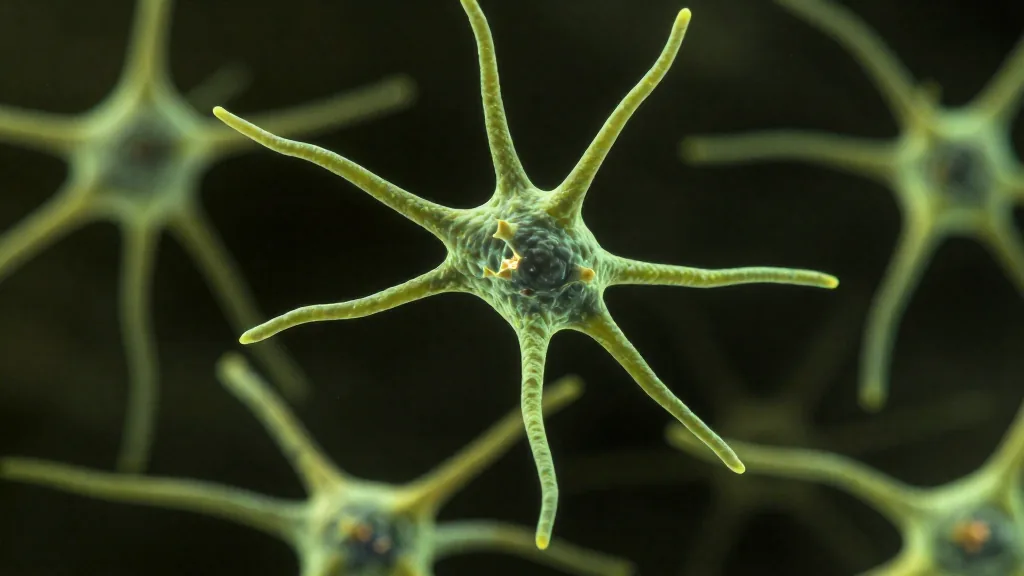
- Live imaging of serotonergic axon growth
High-resolution imaging revealed detailed dynamics of serotonergic axon development in real time.
- Imaging Technique Shows Immune Cell Metabolism in Blood
The method can help improve disease diagnostics and cell therapy production by analyzing immune cell metabolism.
- Lymphodepletion enhances CAR T-cell therapy outcomes in brain tumor patients
Median survival for patients with midline glioma was 20.5 months after diagnosis with lymphodepletion.
- Whole-body imaging with combined photoacoustic and ultrasound techniques
A new imaging system combines photoacoustic and ultrasound to provide high-resolution whole-body scans with molecular details.
- Lilly Invests in Biotech to Treat Immune Conditions
Lilly acquired Merida Biosciences for up to $2.9B to develop drugs that selectively degrade pathogenic autoantibodies.
- ImmunoBrain’s immune reset shows promise in Alzheimer’s
ImmunoBrain’s checkpoint immunotherapy, which strengthens the immune system, has a clean safety profile. Published in Nature Medicine.
- Alnylam continues development of silencing drugs for ATTR-CM
Alnylam continues research on silencing drugs for ATTR-CM despite the failure of AstraZeneca's phase 3 trial.
- AIR raises $50M to help companies vet AI agent skills and add-ons
AIR, an AI security startup, raised $50M to build a platform that vets AI agent skills, plugins, and add-ons. The platform helps companies monitor and secure their AI toolchains.
- Novartis and Bristol Myers pause autoimmune CAR-T trials due to adverse events
CAR-T trials for autoimmune diseases paused due to immune-related adverse events.
- Learning agile traversal of sparse 3D structures for humanoids
Humanoid robots learn to traverse sparse 3D structures using lidar-based perception and reinforcement learning.
- Near-infrared modulation of blood-brain barrier using gold nanoconstructs
Researchers used gold nanoconstructs to temporarily open the blood-brain barrier under laser light, improving drug delivery.
- Brain-Language-Action (BLA) Models: Language-Conditioned EEG for Robotics Control
BLA models use language to condition neural signal interpretation for robotic action generation.
- Who is accountable for mistakes when AI does science?
Nature article discusses accountability for errors made by AI in scientific research.
- Ghost Couple: Correlated LLM Name Priors
LLMs generate correlated name pairs that appear across multiple documents, such as Elena Vasquez and Marcus Chen.